Chia Seeds: Nutrition, Benefits, Uses & Side Effects
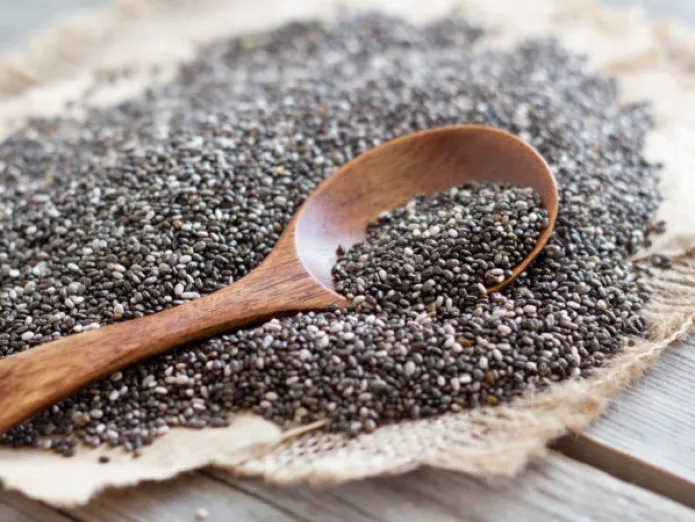
28 Jul, 2026 Herbs 1Chia Seeds are tiny black or white edible seeds obtained from the Salvia hispanica plant, a flowering herb belonging to the mint family. Native to Central America, chia seeds have become one of the world's most popular superfoods due to their impressive nutritional profile and versatility.
Despite their small size, chia seeds are packed with dietary fiber, plant-based protein, omega-3 fatty acids, antioxidants, vitamins, and essential minerals. When soaked in water, chia seeds absorb up to 10–12 times their weight in liquid, forming a gel-like texture that makes them ideal for beverages, puddings, smoothies, and healthy recipes.
Today, chia seeds are widely consumed across the globe as part of balanced diets and are commonly used in breakfast cereals, bakery products, nutrition bars, beverages, and health supplements.
Numerous scientific studies suggest that regular consumption of chia seeds may support digestive health, heart health, healthy cholesterol levels, blood sugar management, and overall wellness when included as part of a healthy lifestyle.
Nutrition Information
Chia seeds are considered one of the most nutrient-dense foods available.
One tablespoon (approximately 12 grams) of chia seeds contains approximately:
- 58 calories
- 2 grams of protein
- 4 grams of healthy fats
- 5 grams of carbohydrates
- 5 grams of dietary fiber
- 0 grams of added sugar
- Rich in Omega-3 Fatty Acids (ALA)
- Excellent source of Calcium, Magnesium, Phosphorus, and Manganese
Potential Health Benefits of Chia Seeds
Chia seeds are extensively researched for their nutritional value and potential health benefits.
Supports Digestive Health
Chia seeds are naturally high in soluble and insoluble dietary fiber. When soaked, they form a gel that helps support healthy digestion, promotes regular bowel movements, and contributes to gut health.
Rich Source of Plant-Based Omega-3
Chia seeds are among the richest plant sources of alpha-linolenic acid (ALA), an essential omega-3 fatty acid that supports overall health and wellness.
Supports Heart Health
The combination of dietary fiber, omega-3 fatty acids, antioxidants, and minerals may help maintain healthy cholesterol levels and support cardiovascular health as part of a balanced diet.
Helps Maintain Healthy Blood Sugar Levels
The soluble fiber in chia seeds slows carbohydrate digestion, which may help reduce rapid spikes in blood sugar levels after meals.
Promotes Healthy Weight Management
Because chia seeds absorb water and expand in the stomach, they may help increase feelings of fullness and reduce hunger, supporting healthy weight management when combined with a nutritious diet and regular exercise.
Rich in Antioxidants
Chia seeds naturally contain antioxidants that help protect the seeds from oxidation while contributing to overall cellular health.
Supports Bone Health
Chia seeds provide calcium, phosphorus, magnesium, and manganese, nutrients that contribute to the maintenance of normal bones.
Good Source of Plant Protein
Chia seeds contain high-quality plant protein that helps support muscle maintenance and makes them an excellent addition to vegetarian and vegan diets.
Common Uses of Chia Seeds
Chia seeds are incredibly versatile and can be incorporated into everyday meals in many ways:
- Smoothies and shakes
- Overnight oats
- Chia pudding
- Yogurt toppings
- Breakfast cereals
- Salads
- Bakery products
- Energy bars
- Protein snacks
- Functional beverages
Potential Risks of Chia Seeds
Chia seeds are generally considered safe for most healthy adults when consumed in moderation.
However, some individuals may experience:
- Bloating
- Gas
- Mild digestive discomfort when consumed in large amounts
- Choking risk if dry chia seeds are consumed without adequate fluids
- Allergic reactions in rare cases
People with swallowing difficulties, digestive disorders, or known seed allergies should consult a healthcare professional before consuming chia seeds. Individuals taking blood-thinning medications or medications for blood sugar management should also seek medical advice before significantly increasing chia seed intake.
For best results, chia seeds should be consumed with sufficient water and introduced gradually into the diet.
Why Choose Premium Quality Chia Seeds?
High-quality chia seeds should have:
- High purity (99.9% or above)
- Uniform size and color
- Low moisture content
- Excellent cleanliness
- No foreign matter
- Food-grade processing
- Hygienic packaging
- Compliance with international quality standards
Premium chia seeds are widely used by food manufacturers, health food brands, nutraceutical companies, and exporters worldwide.
Conclusion
Chia seeds are among the most nutritious plant-based superfoods available today. Rich in fiber, omega-3 fatty acids, protein, antioxidants, and essential minerals, they can be an excellent addition to a balanced diet. Regular consumption, along with a healthy lifestyle, may support digestive health, heart health, blood sugar management, and overall wellness.
Whether added to smoothies, cereals, bakery products, or healthy snacks, chia seeds offer a convenient and nutritious way to enhance everyday meals.