Safflower Seeds (Carthamus tinctorius) – Benefits, Uses, Nutrition & Side Effects | Sinhal Herbs
25 Jul, 2026 Herbs 84Safflower Seeds (Carthamus tinctorius)
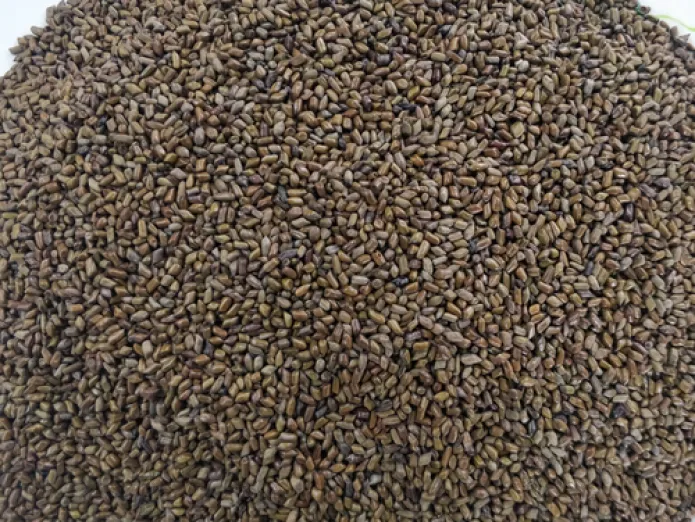
Living a healthy lifestyle begins with choosing the right foods, and Safflower Seeds (Carthamus tinctorius) are among the oldest oilseed crops cultivated worldwide. Traditionally valued in Ayurveda, Traditional Chinese Medicine, and Persian medicine, safflower seeds are rich in healthy fats, antioxidants, vitamins, and minerals that contribute to overall wellness.
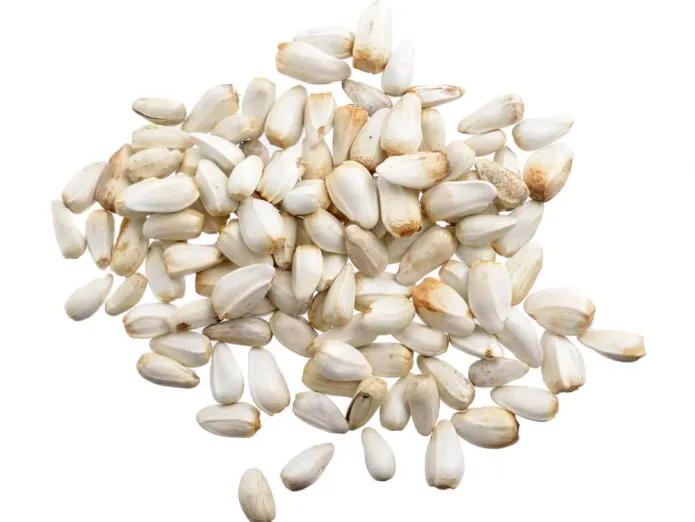
These tiny white seeds are primarily known for supporting heart health, maintaining healthy cholesterol levels, promoting weight management, improving skin health, and reducing inflammation. Safflower seeds are also widely used for extracting safflower oil, one of the healthiest edible oils due to its high content of unsaturated fatty acids.
In this article, we explore the major health benefits, nutritional value, medicinal uses, and ways to consume Safflower Seeds.
Promotes Heart Health
Safflower seeds contain high amounts of linoleic acid (Omega-6 fatty acids), which help reduce bad cholesterol (LDL) while supporting healthy cholesterol (HDL). Regular consumption may improve blood circulation and reduce the risk of cardiovascular diseases.
Helps Maintain Healthy Cholesterol Levels
The healthy fats found in safflower seeds contribute to maintaining balanced cholesterol levels. Combined with a healthy diet, they may help reduce triglycerides and support overall cardiovascular wellness.
Supports Weight Management
Safflower seeds contain healthy unsaturated fats that promote satiety, helping control unnecessary hunger cravings. They may assist individuals following a weight management program by supporting healthy metabolism and fat utilization.
Rich in Antioxidants
Safflower seeds are packed with natural antioxidants including Vitamin E and plant compounds that help protect the body from oxidative stress caused by free radicals. Antioxidants also contribute to healthy aging and cellular protection.
Helps Reduce Inflammation
Chronic inflammation is associated with numerous health conditions. The bioactive compounds present in safflower seeds possess anti-inflammatory properties that may help reduce inflammation throughout the body and support joint health.
Supports Healthy Blood Sugar Levels
Several studies suggest that safflower may contribute to improved insulin sensitivity and healthy glucose metabolism when combined with a balanced diet and active lifestyle. This makes it a valuable addition to a diabetic-friendly nutrition plan.
Promotes Healthy Skin
Vitamin E and essential fatty acids found in safflower seeds nourish the skin from within. Regular consumption may help improve skin hydration, elasticity, and overall appearance while protecting skin cells from oxidative damage.
Improves Hair Health
The healthy oils naturally present in safflower seeds nourish hair follicles and support healthy scalp circulation. These nutrients may contribute to stronger, shinier, and healthier-looking hair.
Supports Immune Function
The antioxidants and essential nutrients in safflower seeds help strengthen the immune system by supporting normal immune cell function and protecting the body from environmental stress.
May Support Women's Health
Traditionally, safflower has been used in herbal medicine to support women's reproductive health and menstrual wellness. However, pregnant women should consult a healthcare professional before consuming medicinal quantities of safflower.
Nutritional Value of Safflower Seeds
Safflower Seeds are naturally rich in:
- Healthy Unsaturated Fatty Acids
- Omega-6 Fatty Acids
- Protein
- Dietary Fiber
- Vitamin E
- Iron
- Magnesium
- Calcium
- Phosphorus
- Potassium
- Zinc
- Natural Antioxidants
How to Consume Safflower Seeds
You can consume safflower seeds in several ways:
- Eat roasted as a healthy snack.
- Add to breakfast cereals and oatmeal.
- Blend into smoothies.
- Sprinkle over salads.
- Use in bakery products.
- Grind into powder for herbal formulations.
- Extract safflower oil for cooking and dietary use.
Possible Side Effects
Safflower seeds are generally safe when consumed in moderation. However:
- Excess consumption may cause digestive discomfort.
- People allergic to plants in the Asteraceae family should exercise caution.
- Pregnant women should consult a healthcare provider before medicinal use.
- Individuals taking blood-thinning medication should seek medical advice before regular consumption.
Conclusion
Safflower Seeds (Carthamus tinctorius) are a nutrient-rich superfood with a long history of traditional medicinal use. Their high content of healthy fats, antioxidants, vitamins, and minerals makes them an excellent addition to a balanced diet. Whether consumed as whole seeds or in the form of safflower oil, they offer numerous health benefits ranging from heart support and healthy cholesterol management to improved skin, immunity, and overall wellness.
Adding safflower seeds to your daily nutrition can be a simple yet effective way to support long-term health naturally.