Quinoa Seeds (Chenopodium quinoa) – Benefits, Uses, Nutrition & Side Effects | Sinhal Herbs
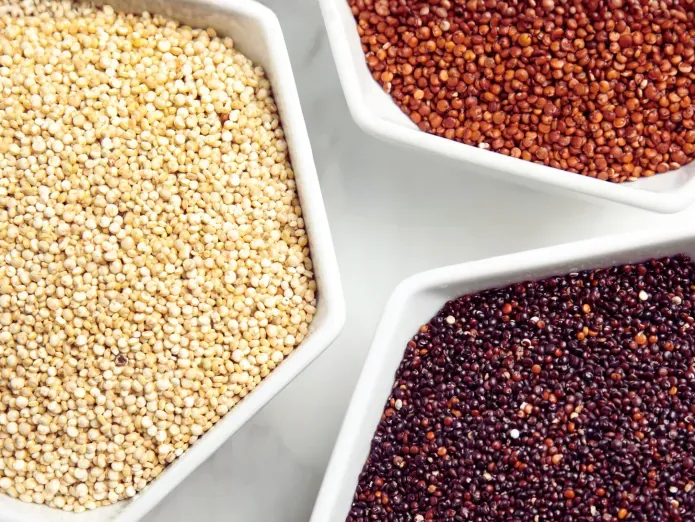
28 Jul, 2026 Herbs 1Quinoa Seeds (Chenopodium quinoa) are widely known as one of the world's healthiest superfoods. Native to the Andes Mountains of South America, quinoa has been cultivated for thousands of years and is often referred to as the "Mother Grain" due to its exceptional nutritional profile.
Unlike most grains, quinoa is a complete plant-based protein, containing all nine essential amino acids. It is naturally gluten-free and rich in dietary fiber, vitamins, minerals, antioxidants, and healthy carbohydrates, making it an excellent choice for people seeking balanced nutrition.
In this article, we explore the major health benefits, nutritional value, medicinal uses, and ways to consume Quinoa Seeds.
Complete Plant Protein
Quinoa is one of the few plant foods that provides all nine essential amino acids. It supports muscle growth, tissue repair, and overall body function, making it an ideal food for vegetarians, vegans, and athletes.
Supports Heart Health
Quinoa contains dietary fiber, magnesium, potassium, and antioxidants that help maintain healthy blood pressure, improve circulation, and support cardiovascular wellness. Its healthy fats may also contribute to balanced cholesterol levels.
Helps with Weight Management
Rich in protein and fiber, quinoa promotes fullness for longer periods, helping reduce unnecessary hunger cravings and supporting healthy weight management when combined with a balanced diet and regular exercise.
Supports Healthy Digestion
The high fiber content in quinoa promotes healthy digestion, supports regular bowel movements, and helps maintain a healthy gut microbiome.
Helps Maintain Healthy Blood Sugar Levels
Quinoa has a relatively low glycemic index compared to many refined grains. Its fiber and protein content help support healthy glucose metabolism and steady energy levels.
Rich in Antioxidants
Quinoa contains natural antioxidants such as quercetin and kaempferol that help protect cells against oxidative stress and support healthy aging.
Supports Bone Health
Quinoa is an excellent source of magnesium, phosphorus, and manganese, essential minerals that contribute to strong bones and healthy skeletal function.
Boosts Energy Levels
Packed with complex carbohydrates, iron, B vitamins, and magnesium, quinoa provides sustained energy throughout the day while supporting normal metabolism.
Promotes Healthy Skin and Hair
The vitamins, minerals, antioxidants, and protein found in quinoa help nourish skin cells, improve skin elasticity, and support stronger, healthier hair.
Supports Immune Function
Its rich supply of vitamins, minerals, antioxidants, and amino acids contributes to normal immune function and overall wellness.
Naturally Gluten-Free
Quinoa is naturally gluten-free, making it an excellent grain alternative for individuals with gluten intolerance or those following a gluten-free diet.
Nutritional Value of Quinoa Seeds
Quinoa Seeds are naturally rich in:
- Complete Plant Protein
- Dietary Fiber
- Complex Carbohydrates
- Omega-3 & Omega-6 Fatty Acids
- Iron
- Magnesium
- Phosphorus
- Potassium
- Calcium
- Zinc
- Manganese
- Vitamin B Complex
- Vitamin E
- Natural Antioxidants
How to Consume Quinoa Seeds
You can enjoy quinoa in several ways:
- Cook as a healthy rice substitute.
- Add to salads and grain bowls.
- Prepare porridge for breakfast.
- Blend into smoothies.
- Add to soups and stews.
- Use in baking recipes.
- Make quinoa flour for gluten-free cooking.
- Include in healthy snack recipes.
Possible Side Effects
Quinoa is generally safe for most people when consumed in moderation. However:
- Some individuals may experience digestive discomfort if introduced suddenly in large amounts.
- Rinse quinoa thoroughly before cooking to remove natural saponins that can cause a bitter taste.
- People with specific food allergies should consult a healthcare professional before regular consumption.
- Individuals with kidney conditions should seek medical advice regarding mineral intake if consuming large quantities.
Conclusion
Quinoa Seeds (Chenopodium quinoa) are among the most nutritious superfoods available today. Their complete protein profile, high fiber content, essential minerals, vitamins, and antioxidants make them an excellent addition to a healthy lifestyle. Whether used as a rice substitute, added to salads, or incorporated into breakfast and snacks, quinoa provides long-lasting energy and supports heart health, digestion, weight management, immunity, and overall wellness.
Including Quinoa Seeds in your daily diet is a simple and natural way to enjoy balanced nutrition and promote long-term health.