
Description
Vernacular Names & Parts Used
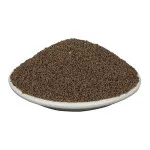
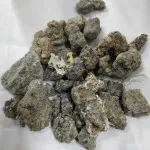
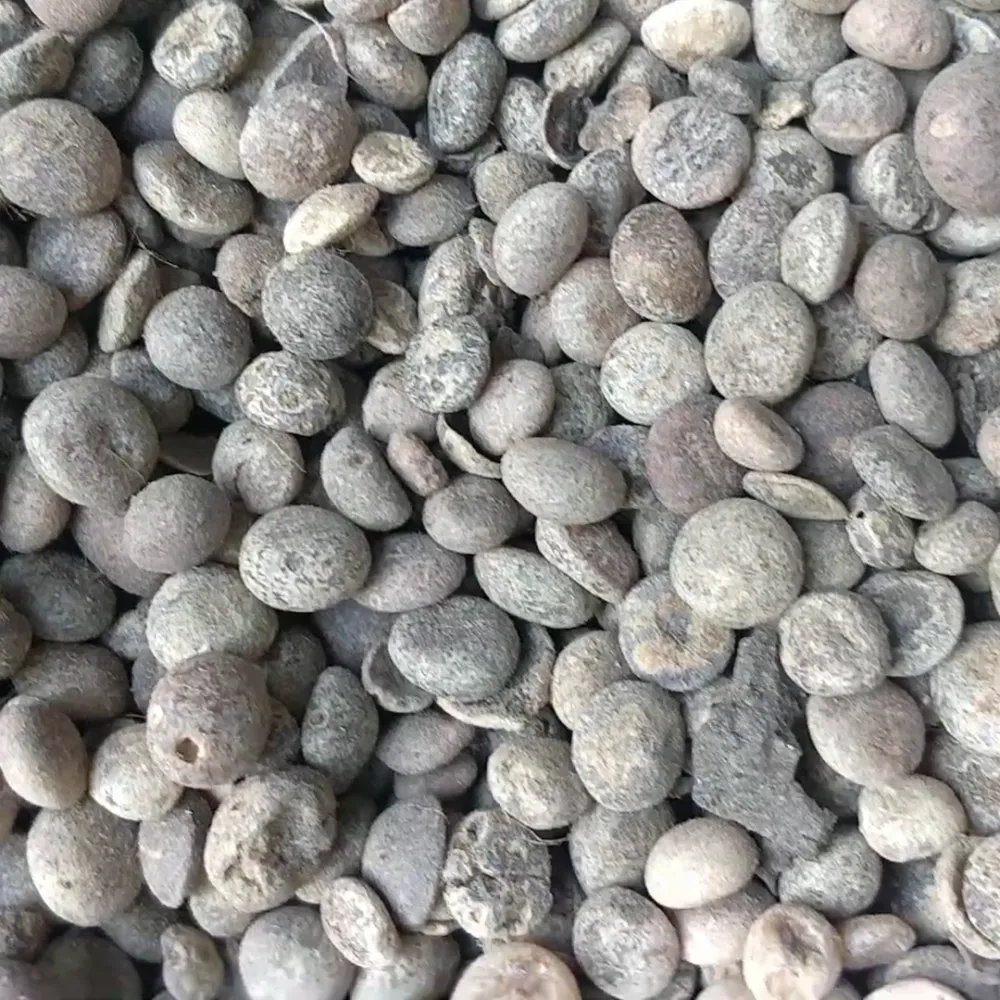
Nirmali, botanically identified as Strychnos Potatorum, is traditionally known as Nirmali, Kataka, Nirmala Beej, and Clearing Nut Tree Seed in Ayurvedic and regional traditions. The fully matured seeds are collected from ripe fruits, cleaned, and shade-dried to preserve their natural integrity for traditional use.
Ayurvedic Properties & Common Uses
In classical Ayurveda, Nirmali is described with Kashaya (astringent) rasa, Sheeta virya, and Laghu–Ruksha guna, traditionally associated with balancing Pitta and Kapha doshas. Ayurvedic texts reference Nirmali seeds in clarifying, cleansing, and formulation-based applications, including traditional practices related to water purification and internal cleansing processes within classical systems.
Traditionally, Nirmali seeds are processed into Churna and compound formulations, following specific preparation methods. Ayurvedic literature emphasizes proper processing, controlled dosage, and expert supervision, aligning its use with long-standing traditional knowledge rather than standalone intake.
Transit & Delivery Time : Usually delivered nationwide in 7-10 Working Days after shipping. Far & Remote Places (J&K, NE States) may take 7-14 Days to deliver by our shipping Partners.
Packaging Policy : All Products will arrive Well & Properly packed to handle tough wear and tear during transit time.
Storage Directions : All herbs should be kept in a cool & dry place away from moisture.
Above Herb is of volatile nature & inherent properties to change characteristics overtime, prefer to consume the above herb within 30 Days after delivery. Prefer to store the above herb in an airtight container or room.
Quality Assurance : No Chemicals, Preservatives, Colours, Flavours & Nothing Artificial is added to any natural product sold on Jadibootiwale.com
We at Jadibootiwale.com Exporters & Manufacturers of Herbs, Spices & all kinds of Agri Products. Jadibootiwale ensures 100% Genuine & Authentic, Quality Assurance of Herbs & Various Products Sold on Jadibootiwale.com
Review & Rating
0.0
( 0 )