Description
Vernacular Names & Parts Used
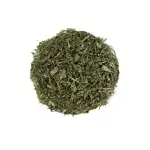
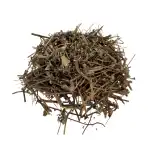
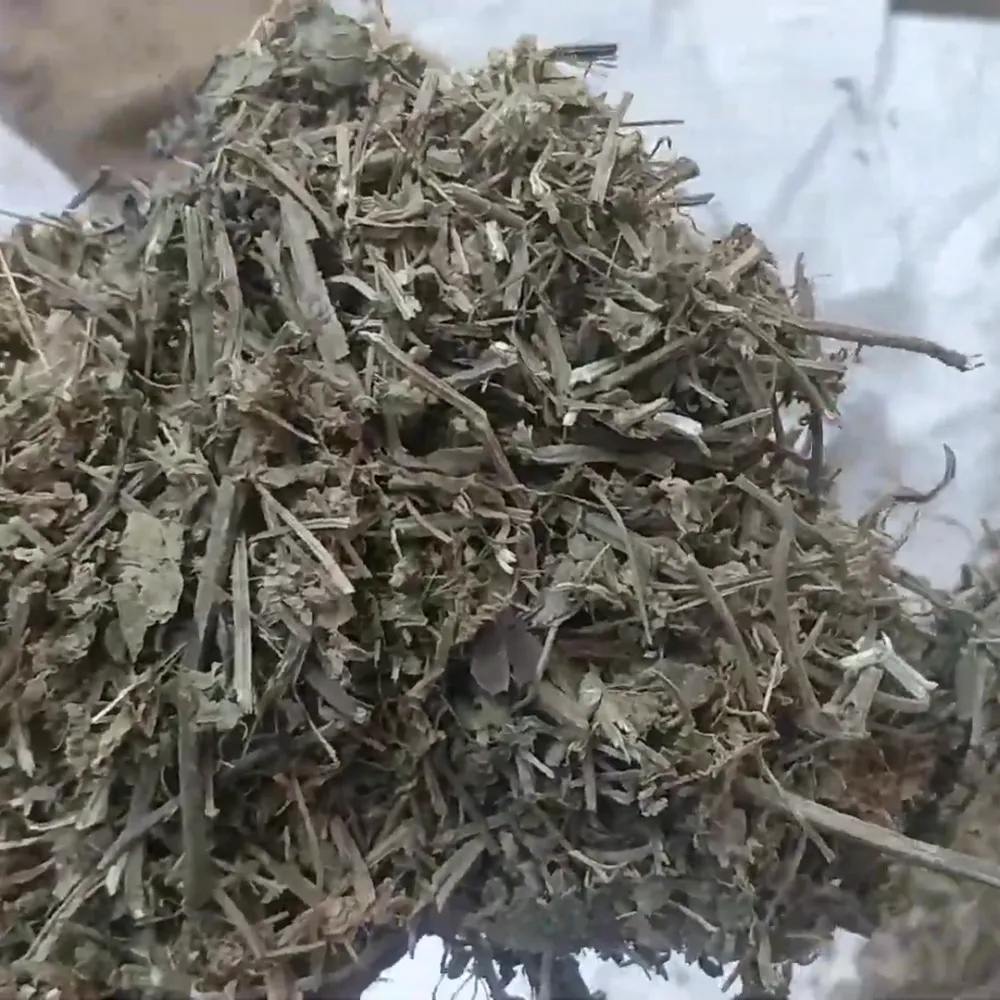
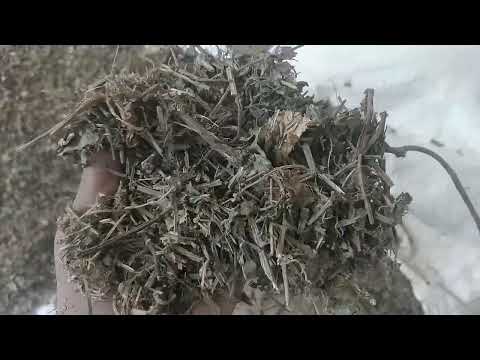
Patol, botanically known as Trichosanthes Dioica, is a traditional Ayurvedic plant commonly called Parwal in Hindi and North Indian regions. It is referred to as Patola in Sanskrit Ayurvedic literature, Pointed Gourd in English, Potla in Telugu, and Patal in Bengali. In traditional herbal practice, the leaves and whole aerial parts of the plant are primarily used for medicinal preparations.
Ayurvedic Properties & Common Uses
In Ayurveda, Patol is described as having Tikta (bitter) rasa and Sheeta (cooling) virya, making it suitable for balancing aggravated Pitta and Kapha dosha. Traditional texts associate Patol with internal cleansing and metabolic regulation.
From a functional perspective, Patol is known for its detoxifying, digestive-supportive, and liver-friendly characteristics. It is traditionally included in formulations related to digestive imbalance, excess internal heat, and skin-related concerns.
Classically, Patol Patra or Panchang is administered in forms such as Kwath (decoction) or Churna (powder), often combined with other herbs. These preparations are mentioned in Ayurvedic literature as part of broader formulations, and usage is traditionally guided by an Ayurvedic practitioner based on individual constitution.
Transit & Delivery Time : Usually delivered nationwide in 7-10 Working Days after shipping. Far & Remote Places (J&K, NE States) may take 7-14 Days to deliver by our shipping Partners.
Packaging Policy : All Products will arrive Well & Properly packed to handle tough wear and tear during transit time.
Storage Directions : All herbs should be kept in a cool & dry place away from moisture.
Above Herb is of volatile nature & inherent properties to change characteristics overtime, prefer to consume the above herb within 30 Days after delivery. Prefer to store the above herb in an airtight container or room.
Quality Assurance : No Chemicals, Preservatives, Colours, Flavours & Nothing Artificial is added to any natural product sold on Jadibootiwale.com
We at Jadibootiwale.com Exporters & Manufacturers of Herbs, Spices & all kinds of Agri Products. Jadibootiwale ensures 100% Genuine & Authentic, Quality Assurance of Herbs & Various Products Sold on Jadibootiwale.com
Review & Rating
0.0
( 0 )